Grease Trap and Organic Waste Management: Avoiding Costly Compliance Issues
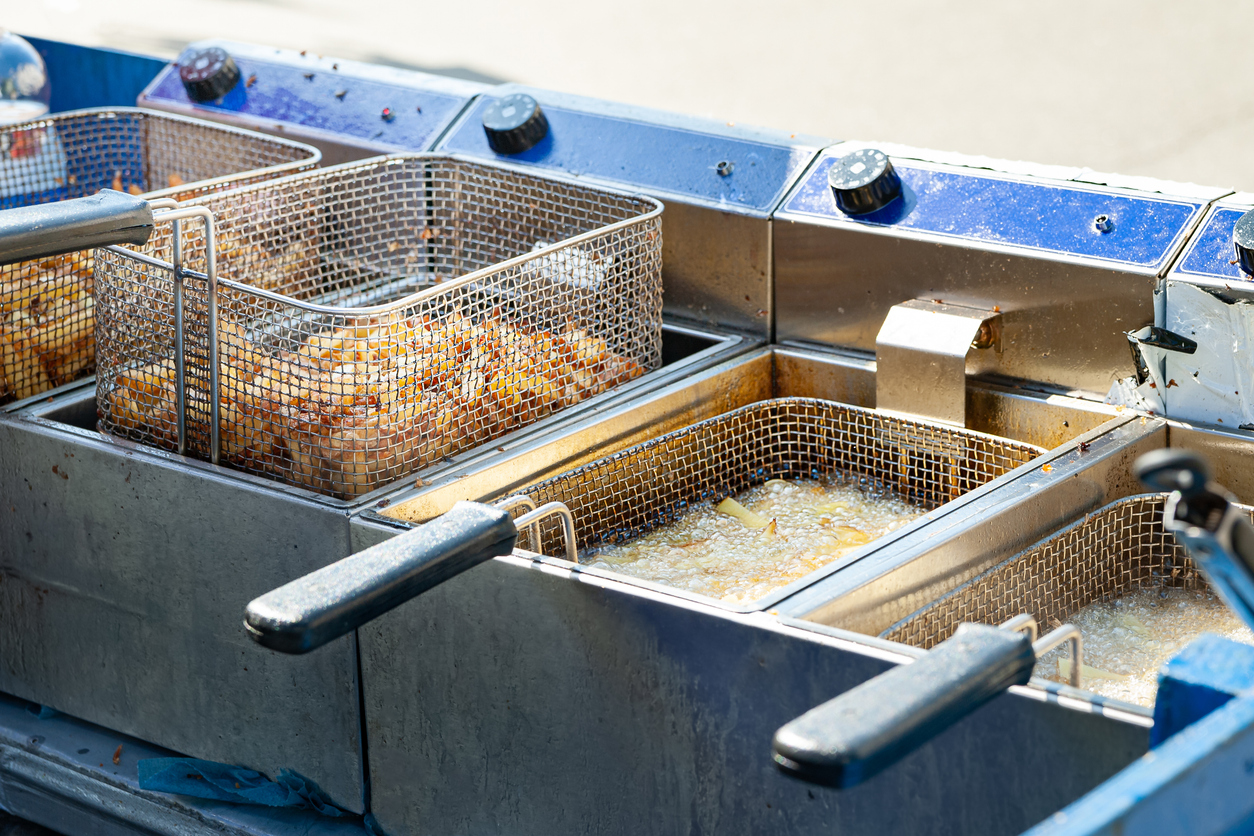
Table of Contents
NWA
In the restaurant industry, waste management goes far beyond taking out the trash. Behind every kitchen is a complex system responsible for handling grease, food scraps, and organic byproducts – each with its own set of operational and regulatory challenges.
When these systems aren’t properly managed, the consequences can escalate quickly. From clogged pipes and foul odors to health code violations and expensive emergency services, grease and organic waste issues can disrupt operations and impact profitability.
The good news is that with the right strategy, restaurants can stay compliant, avoid unnecessary costs, and create a cleaner, more efficient operation.
Quick Hits: What Restaurant Operators Need to Know
- Grease buildup is a leading cause of plumbing failures and sewer blockages
- Non-compliance with grease and organic waste regulations can result in fines, shutdowns, or health violations
- Emergency grease trap services are significantly more expensive than scheduled maintenance
- Improper waste separation increases hauling costs
- Consistent service schedules and staff training are critical
Why Grease Management Is a Critical Operational Priority
Every commercial kitchen produces grease as a byproduct of cooking, cleaning, and food preparation. This grease enters plumbing systems through sinks and dishwashers, where it can accumulate over time if not properly managed.
Grease traps are designed to intercept fats, oils, and grease (FOG) before they enter the sewer system. However, these systems are only effective when they are regularly cleaned and maintained. Without proper upkeep, grease traps can quickly become overwhelmed, leading to backups, unpleasant odors, and even system failures.
Beyond the operational risks, grease management is also a compliance issue. Many municipalities have strict regulations governing how restaurants handle and dispose of grease, making it essential for operators to stay proactive.
Image: sacramentogreasetrap.com
Common Mistakes That Lead to Blockages and Fines
Despite the importance of grease management, many restaurants fall into avoidable traps that lead to costly problems. These issues often stem from a combination of inconsistent maintenance, lack of training, and unclear processes.
Some of the most common mistakes include:
- Infrequent grease trap cleaning
- Pouring grease or food waste directly down drains
- Failing to separate organic waste from other waste streams
- Relying on reactive, rather than scheduled, service
These missteps can result in clogged pipes, sewer backups, and violations that carry both financial and reputational consequences.
In many cases, the root cause isn’t negligence – it’s a lack of structured processes and oversight. Establishing clear protocols and consistent service schedules can significantly reduce these risks.
Coordinating Grease Trap Cleaning and Waste Hauling
Grease trap maintenance and waste hauling are often managed separately, which can create inefficiencies and gaps in service. When these services aren’t properly coordinated, restaurants may experience overlapping costs, missed cleanings, or inconsistent compliance.
A more streamlined approach involves aligning grease trap cleaning schedules with overall waste management services. This ensures that all waste streams – solid, liquid, and organic – are handled in a coordinated and efficient manner.
Benefits of better coordination include:
- Reduced administrative burden
- Improved service reliability
- Greater cost transparency
- Fewer compliance risks
For multi-location restaurant groups, this coordination becomes even more valuable, helping standardize processes and maintain consistency across all locations.
Understanding Local Regulations and Compliance Requirements
Grease and organic waste management is heavily regulated at the local level. Municipalities often enforce strict guidelines on grease trap maintenance, disposal methods, and documentation.
These regulations are designed to protect public infrastructure and prevent environmental damage – but they also place a significant responsibility on restaurant operators.
Compliance typically involves:
- Maintaining proper grease trap cleaning schedules
- Keeping records of service and disposal
- Ensuring proper handling of organic waste
- Adhering to local disposal and recycling requirements
Failure to meet these requirements can lead to fines, inspections, or even temporary shutdowns.
Because regulations can vary widely by location, staying informed and working with knowledgeable service providers is essential for maintaining compliance.
Preventing Emergency Service Calls and Operational Disruptions
One of the costliest consequences of poor grease management is the need for emergency services. When grease traps overflow or plumbing systems become blocked, restaurants often have no choice but to call for immediate assistance.
These situations are not only expensive – they can also disrupt daily operations, delay service, and negatively impact the customer experience.
Preventative maintenance is the most effective way to avoid these scenarios. By establishing consistent service schedules and monitoring grease levels, restaurants can address issues before they escalate.
In practice, this means shifting from a reactive mindset to a proactive one – treating grease management as a routine operational priority rather than an occasional problem.
Integrating Organic Waste Programs into Daily Operations
In addition to grease, restaurants generate significant amounts of organic waste, including food scraps and spoiled inventory. When not properly managed, this waste can contribute to odors, pest issues, and increased disposal costs.
Integrating organic waste programs – such as composting or food waste diversion – can help reduce these challenges while improving overall sustainability.
Successful programs often focus on:
- Clear separation of organic waste from other streams
- Proper container placement and labeling
- Staff training on disposal procedures
When implemented effectively, these programs can reduce landfill waste, lower hauling costs, and support broader environmental goals.
Choosing the Right Service Partners
Managing grease traps and organic waste effectively often requires working with multiple service providers. However, inconsistent vendors can lead to communication issues, service gaps, and unpredictable costs.
Consolidating services under a single provider, like National Waste Associates, can help simplify operations and improve overall performance.
The right partner should offer:
- Reliable and consistent service
- Clear documentation and reporting
- Knowledge of local regulations
- Scalable solutions for changing needs
For restaurant operators, this means fewer headaches and greater confidence that waste systems are being managed properly.
Turning Compliance into a Competitive Advantage
While grease and organic waste management are often viewed as compliance requirements, they also present an opportunity for operational improvement.
Restaurants that take a proactive approach can:
- Reduce costly disruptions
- Improve kitchen efficiency
- Lower overall waste expenses
- Enhance cleanliness and guest perception
In an industry where margins are tight and customer expectations are high, even small improvements in efficiency can have a meaningful impact.
By treating waste management as a strategic function rather than a reactive necessity, restaurants can position themselves for long-term success.
Want to see how your restaurants could optimize grease trap and organic waste management, as well as avoid future compliance issues?
Learn more about our waste & recycling services by
calling 888-692-5005 x6 or sending us an
email at sales@nationalwaste.com
Frequently Asked Questions (FAQ)
The frequency depends on usage, but most restaurants require cleaning every 1–3 months. High-volume kitchens may need more frequent service to prevent buildup and ensure compliance.
Neglected grease traps can lead to clogged pipes, sewer backups, foul odors, and potential health code violations. In severe cases, it can result in operational shutdowns.
No, regulations vary by municipality. Restaurants must follow local guidelines for grease trap maintenance, disposal, and recordkeeping.
Yes, failing to separate grease, organic waste, and recyclables can lead to higher hauling costs and reduced efficiency in waste management systems.
Organic waste programs can reduce landfill waste, lower disposal costs, minimize odors, and support sustainability initiatives.
The best way is through preventative maintenance – regular grease trap cleaning, proper staff training, and consistent monitoring of waste systems.
 BIC License #1496
