Managing Waste During Peak Seasons Without Disrupting Guest Experience

Table of Contents
Seasonality is built into the DNA of the hospitality industry. Whether it’s summer tourism, holiday travel, major conventions, wedding season, or large sporting events, occupancy can surge almost overnight. More guests mean more activity – and significantly more waste. How do you manage that waste during peak seasons?
Yet while hotels, resorts, and event-driven properties meticulously plan for staffing, inventory, and guest services during peak periods, waste management is often overlooked until problems become visible. Overflowing dumpsters, food waste odors, and cluttered container areas can quickly undermine the very guest experience operators work so hard to deliver.
The reality is simple: when waste isn’t managed proactively during high-volume periods, guests notice. And in an era where perception is shaped by online reviews and social media, even small lapses in cleanliness can have outsized consequences.
Why Hospitality Waste Is Inherently Seasonal
Unlike many other industries, hospitality waste generation fluctuates dramatically throughout the year. A property operating at 55% occupancy one month may suddenly jump to 90% the next. Restaurants become busier, banquet spaces turn over faster, and housekeeping handles far greater linen and packaging waste.
These spikes aren’t always gradual, either. A single sold-out weekend can double, triple or more a typical week’s waste volume.
The challenge is that waste service often remains static while demand becomes dynamic. Containers sized for average occupancy quickly reach capacity, and pickup schedules that worked in slower months no longer keep pace. When that happens, waste stops being an operational detail and starts becoming a guest-facing problem.
The Operational Strain of Peak Occupancy
During busy periods, hospitality teams are already operating at full speed. Housekeeping turns rooms faster, kitchens produce higher volumes, and maintenance teams juggle more requests. Adding waste-related disruptions into the mix creates unnecessary friction.
Common issues operators encounter include:
- Dumpsters reaching capacity days before scheduled pickup
- Recycling containers filling faster due to increased packaging
- Food waste accumulating more quickly, intensifying odor risks
- Cardboard and delivery materials piling up near receiving areas
- Staff spending valuable time managing overflow instead of serving guests
- Waste haulers struggling to accommodate sudden volume increases
These challenges rarely stay behind the scenes. Once waste begins to spill beyond designated areas, it becomes visible to employees – and eventually to guests.
How Overflow Impacts Guest Perception
Hospitality is built on impressions. Guests may never see the back-of-house operations that keep a property running smoothly, but they immediately notice signs of disorder.
An overflowing dumpster near a parking area. Loose trash visible from a guestroom window. Odors near an entrance or outdoor dining space. These moments create cognitive dissonance: the property promises comfort and cleanliness, yet the environment suggests otherwise.
As you can see in the chart below, guest room cleanliness and property cleanliness are the 2 biggest factors driving positive guest experiences.
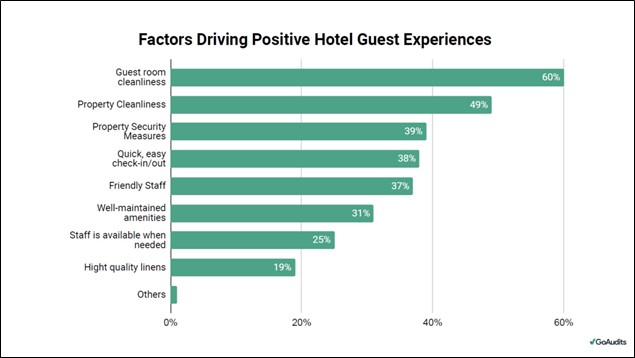
Image from: goaudits.com
Even when the interior experience is excellent, exterior waste issues can color a guest’s overall perception. Worse, these impressions often make their way into online reviews, where phrases like “dirty,” “unpleasant smell,” or “overflowing trash” carry significant weight for prospective travelers.
Preventing these issues isn’t just about sanitation – it’s about protecting brand reputation.
Flexibility Is the Foundation of Peak-Season Waste Management
One of the most common mistakes hospitality operators make is relying on rigid waste service schedules. Peak seasons demand adaptability. Waste programs that cannot scale alongside occupancy increases are far more likely to fail when pressure rises.
Effective waste strategies build flexibility into the service model from the start. This might mean increasing pickup frequency ahead of known busy periods, temporarily adding containers, or adjusting service days to match operational rhythms.
Properties that treat waste planning as part of seasonal preparation – much like staffing or inventory – are far less likely to face last-minute emergencies.
Planning Ahead Prevents Visible Problems
The strongest waste programs are proactive rather than reactive. Operators who wait until containers overflow are already behind.
Planning should begin well before anticipated surges. Consider upcoming holidays, local festivals, conferences, and tourism trends that historically drive occupancy. Even weather patterns can influence travel and dining activity.
Key planning considerations include:
- Evaluating whether current container sizes can handle projected volume
- Increasing pickup frequency before peak periods begin
- Ensuring recycling capacity matches higher packaging waste
- Scheduling service times that avoid guest-heavy traffic hours
- Confirming hauler availability during holidays when demand spikes
- Establishing contingency plans for unexpected occupancy jumps
This type of preparation allows teams to stay focused on guests rather than scrambling to resolve operational distractions.
Aligning Waste Service with Daily Operations
Waste management shouldn’t operate independently from hotel operations – it should support them. Pickup timing, container access, and service routes all influence how smoothly a property functions during busy stretches.
For example, pickups scheduled during peak check-in windows can create congestion in already crowded areas. Service trucks arriving during outdoor dining hours may disrupt ambiance. Even internal workflows, such as housekeeping routes, can be affected by poorly timed waste removal.
Coordination between operations leaders and waste providers helps minimize these conflicts. When service aligns with the property’s natural flow, waste removal becomes virtually invisible – exactly as it should be.
Protecting Brand Standards When Volume Is Highest
Ironically, the moments when properties generate the most revenue are also when brand standards face the greatest stress. High occupancy leaves less margin for operational missteps.
Maintaining a clean, organized waste area signals professionalism and control. It reassures guests that the property is well managed.
Conversely, visible waste suggests corners are being cut. And in hospitality, perception often becomes reality.
Operators who successfully protect brand standards during peak periods typically share one trait: they view waste management as part of the guest experience rather than a purely back-end function.
Turning Waste Management into a Strategic Advantage
Forward-thinking hospitality organizations increasingly recognize that waste logistics influence more than cleanliness – they affect labor efficiency, safety, and guest satisfaction.
When waste flows smoothly:
- Staff spend less time troubleshooting overflow
- Back-of-house areas remain safer and more navigable
- You will reduce odors
- Guest-facing spaces stay pristine
- It will protect your online reputation
In other words, effective waste management doesn’t just prevent problems – it supports the overall hospitality promise.
How National Waste Associates Helps Hospitality Operators Stay Ahead of Seasonal Surges
National Waste Associates helps hospitality organizations anticipate and manage peak-season waste demands through proactive planning, flexible service strategies, and centralized oversight. Rather than reacting to overflow after it occurs, NWA works with operators to evaluate volume patterns, adjust service levels, and ensure container capacity aligns with occupancy trends.
With reliable coordination and consistent performance, NWA enables properties to maintain cleanliness, protect brand standards, and keep waste operations running quietly in the background – even during the busiest times of the year.
Because when guests remember their stay, the only thing that should stand out is the experience – not the trash behind the building.
Want to see how your hospitality organization could be more efficiently and optimally managing waste during peak seasons?
Learn more about our waste & recycling services by
calling 888-692-5005 x6 or sending us an
email at sales@nationalwaste.com
 BIC License #1496